
Packaging design starts before anyone draws a label. The product, the shelf, the printer and the legal wording all decide what can go on the pack. Sort those out first and your brief gets a lot simpler.
Start with the product and the shelf
Write down what you sell and who buys it. A jar sold at a farmers’ market has a different job from a ready meal in a supermarket fridge, or a box bought online and posted to someone’s door.
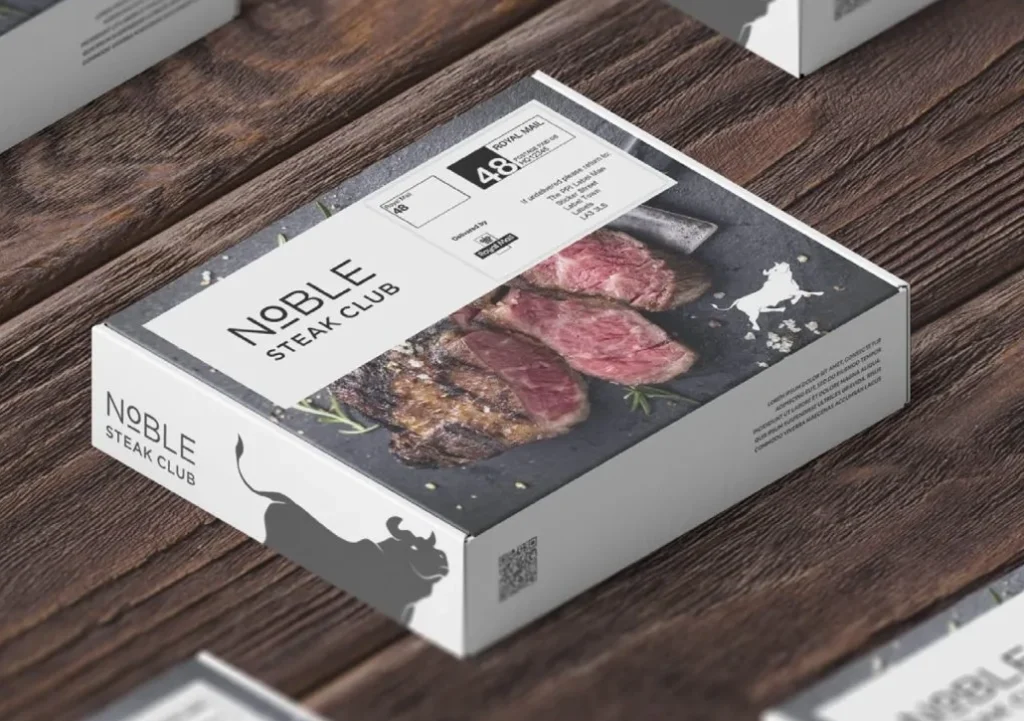
Then think about where the pack will sit. On a shelf, people need to read it from a couple of metres away, often next to bigger brands. Online, they usually see it first as a small photo. At a market stall, they can pick it up and turn it over.
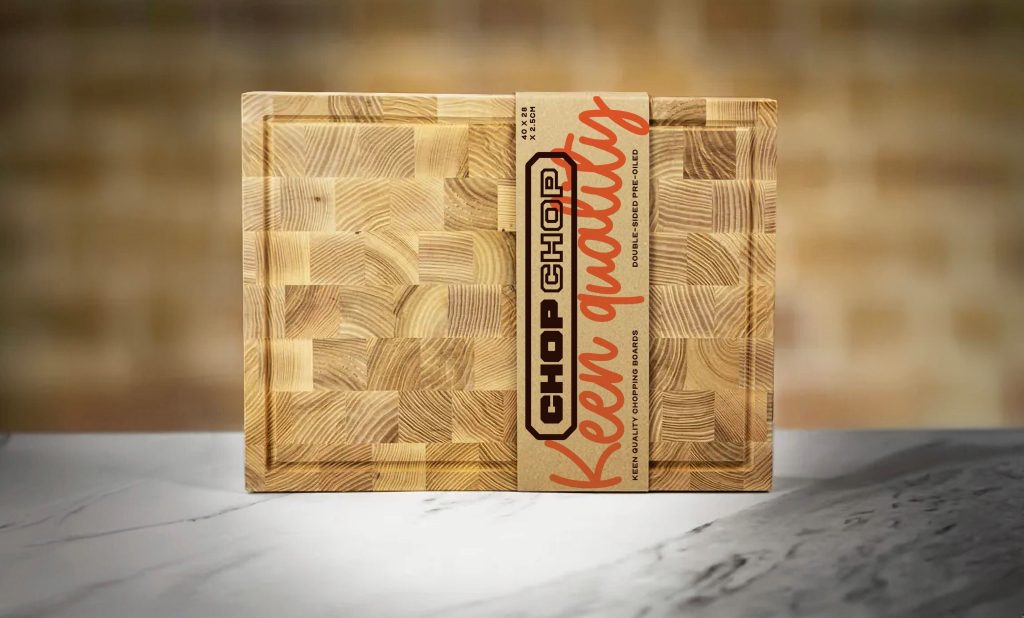
The pack has to work with the product as well as look good beside it. On Chop Chop, a UK chopping board brand, a narrow wrap leaves much of the timber visible, so you see the wood as well as the branding. The same applies to food and drink. The format, the material and the way someone opens the pack all affect the design.
Check whether the brand is ready
A designer can work with an existing name, logo, colours and type. If you haven’t settled those yet, the brand work either happens first or becomes part of the packaging project.
Changing a name or a mark on screen costs far less than changing it on a thousand printed packs. If your identity still feels unclear, read this note on logos and clearer brands first.
Give the designer the practical constraints
These details shape the design as much as any reference images.
- The pack format, and who will make or print it, if you already have a supplier
- A dieline, or a date for one, so the design is drawn to the real shape and size
- The print method, and any limits on colours or finishes
- The minimum order quantity, and whether that fits how much you’ll actually sell
- Your budget and timeline, including time for samples and approvals
- How many products, sizes and flavours need to sit in the same family
A flavour that only changes a colour bar is a different job from one that needs its own illustration. Share as much of this as you can early. It lowers the risk of a design that looks right on screen and fails at the printer.
Leave room for the legal wording
UK pre-packed food and drink has to carry certain information. It must be clear, easy to read and not misleading. GOV.UK lists what you must show on the label, including the name of the food, a list of ingredients, a best before or use-by date where required, the net quantity, and the name and address of the business.
You have to highlight allergens in the ingredients list. That page sets out all 14, from celery and cereals containing gluten through to sulphur dioxide or sulphites.
Natasha’s Law may apply if you pack food on the same site where you sell it, and it’s already in that packaging before the customer orders it. The Food Standards Agency calls this “prepacked for direct sale” food. It says the label needs the name of the food and a full ingredients list, with allergens emphasised. That guidance covers England, Northern Ireland and Wales.
The official guidance on giving food information to consumers has more, including a minimum size for mandatory text.
I can leave space for that wording and make it readable, but I don’t sign off legal labels. Before you go to print, check the pack with your local Trading Standards office, a Primary Authority if you have one, or the Food Standards Agency.
Be careful with green claims
Recyclable, compostable and eco-friendly look like simple words on a pack. Each one is a claim, and you need evidence for it.
The Competition and Markets Authority’s Green Claims Code says claims must be truthful, clear and substantiated, and must not hide important information. Its checklist warns that general claims such as “eco-friendly” or “sustainable” need to reflect the whole life cycle of the product, and the evidence has to justify them. If you’re not sure a claim would pass that test, leave it off.
Then put it in a brief
A short market run is enough for some businesses right now. A pack heading into retail has more to do and stays in use for longer. Either way, start with what the product has to do on the shelf, then brief the design around it.
If you’re getting a first run ready, look at how packaging sits with the rest of the work. Then tell me a little about the product and we’ll work out what to sort out first.